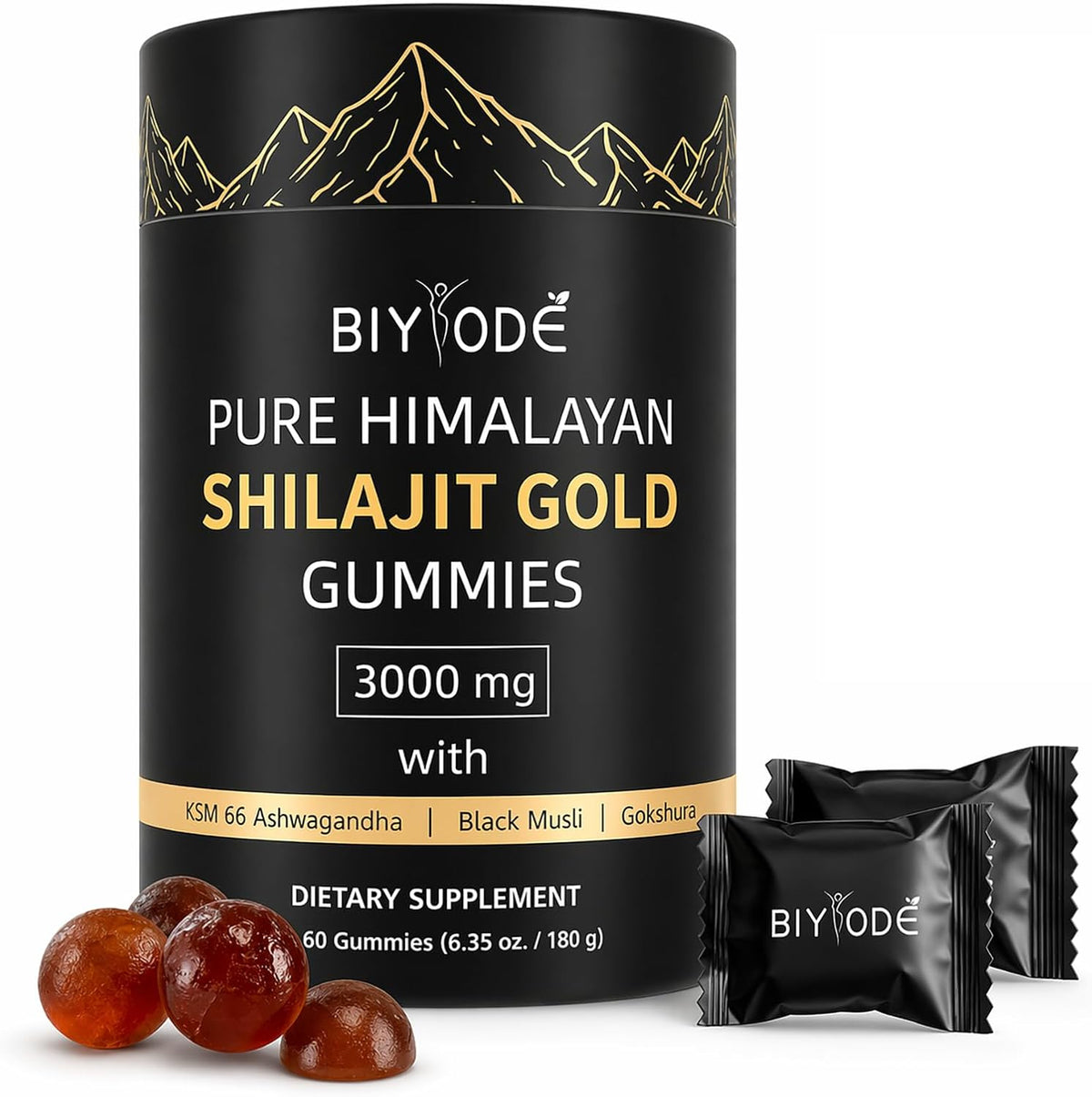

Two supplement bottles sit next to each other. One says “500 mg” on the front. The other says “250 mg per capsule.” The first looks stronger—until you turn it around and discover that its 500 mg applies to a serving of two capsules.
This is an ordinary label-reading problem, not a trick. Gummies, capsules, tablets, drops and powders are often described with different units and different serving sizes. If you compare the largest number on the front of each package, you may not be comparing the same thing at all.
The good news is that you do not need advanced maths. You need to find three pieces of information, keep the units straight and decide which comparison actually matters for your routine.

Start at the back, not the headline
The front of a package is designed for quick recognition. It may feature an ingredient, flavor, format or amount. The detailed serving information belongs in the facts panel and directions.
On a U.S. dietary supplement label, the Supplement Facts panel identifies the serving size and lists dietary ingredients with their amount per serving. The FDA’s dietary supplement labeling guide explains this structure. Labels in other countries may use different names or layouts, but the same basic questions remain helpful.
Look for:
- Serving size: How many gummies, capsules, scoops or millilitres make one labeled serving?
- Amount per serving: How much of the listed dietary ingredient is provided by that complete serving?
- Servings per container: Approximately how many complete servings are in the package?
Read the directions too. The serving shown in the panel and the suggested use should make sense together.
“Per piece” and “per serving” are not interchangeable
Imagine a gummy product with a serving size of two gummies and 200 mg of an ingredient per serving. Each gummy provides 100 mg, assuming the serving amount is divided evenly.
Now imagine a capsule product listing 150 mg per capsule with a serving size of one capsule. If you compare one gummy with one capsule, the capsule number is larger. If you compare one labeled serving with one labeled serving, the gummy product provides 200 mg and the capsule product provides 150 mg.
Neither comparison is dishonest; they answer different questions. Per-piece comparison tells you what one unit contains. Per-serving comparison tells you what the label treats as a complete serving.
When shopping, write both numbers down:
- amount per serving;
- number of pieces per serving;
- calculated amount per piece, if useful.
This prevents the phrase “each gummy” in an advertisement from being confused with “per serving” in the facts panel.
Use the same unit before deciding which number is larger
Milligrams and micrograms are not equal. One milligram equals 1,000 micrograms. A label that shows 400 mcg is describing 0.4 mg, not 400 mg.
Common units include:
- g for grams;
- mg for milligrams;
- mcg or µg for micrograms;
- mL for millilitres;
- IU for international units, where used.
Do not convert international units by guesswork. The relationship between IU and mass depends on the nutrient and sometimes its form. If a label provides both units, use the stated information. Otherwise, consult an authoritative nutrient reference or a qualified professional.
Percent Daily Value is another type of number. It helps show how much a serving contributes relative to an established daily value; it is not the weight of the ingredient. Some dietary ingredients do not have an established Daily Value, so the panel may use a symbol and explanatory note instead.

Powder comparisons need the actual scoop information
Powders can look economical because the container is large, but container weight is not the same as the amount of one featured ingredient. A blend may contain several ingredients, flavors and other components.
Check the serving size in grams or scoop measure and then check the amount of the ingredient you care about. If the scoop is described as “approximately” a certain quantity, understand that household scooping is less precise than weighing.
Do not assume that a full scoop from one brand equals a scoop from another. Scoop shapes and capacities vary. Even within one product, powder density and how tightly the scoop is filled can affect the amount.
If accurate portioning is important, follow the product directions. Do not borrow a scoop from a different container.
Liquid drops add another layer
Liquid labels may describe a serving in millilitres, drops or droppers. “One dropper” can be unclear unless the package defines how full it should be. Look for a marked line or a stated millilitre amount.
If a bottle provides 30 mL and the serving is 1 mL, it contains about 30 servings—not necessarily 30 uses if the directions call for more than one serving at a time.
Shake instructions matter for suspensions. If a product says to shake well, skipping that step can make the contents less uniform from one use to the next. Follow the storage directions too, particularly after opening.
Servings per container reveal the practical cost
The shelf price alone does not show what a month of use costs. Divide the package price by the number of servings, using the label’s serving size.
For example, suppose Product A costs $18 and contains 30 servings. Its cost is $0.60 per serving. Product B costs $24 and contains 60 servings. Its cost is $0.40 per serving.
That calculation still does not tell you which product is appropriate. The formulas may be different, and the cheaper serving may provide a different amount. But it gives you a fairer starting point than comparing bottle price or gummy count alone.
For a more detailed comparison, create four columns: price per serving, amount of the chosen ingredient per serving, pieces per serving and total servings. You can then see the trade-offs without letting one large number dominate the decision.
More is not automatically better
Label comparison is about understanding what a product provides. It is not a contest to find the highest amount.
Your needs can depend on diet, age, medicines, health conditions and advice from a qualified healthcare professional. Some nutrients and ingredients have upper intake considerations or may interact with medicines. The NIH Office of Dietary Supplements recommends keeping a record of supplements and medicines and discussing them with healthcare providers.
Avoid combining products simply because each one looks moderate on its own. A multivitamin, beauty gummy and drink mix may repeat the same vitamins or minerals. Add the amounts across your full routine and include fortified foods where relevant.
If you are pregnant, nursing, preparing for surgery, taking medication or managing a health condition, professional guidance is especially important.
Ingredient form and blend design can limit direct comparisons
Two labels may list the same general nutrient but use different forms. A botanical product may describe the whole plant, an extract ratio or a standardized constituent. A mineral compound’s total weight is not always the same as the amount of elemental mineral declared.
Read the full ingredient name and any parenthetical information. Do not assume that equal milligram numbers mean identical materials.
Proprietary blends need extra care. A label may list a total blend amount and name the components without disclosing each individual amount, depending on the market’s rules. In that case, you cannot calculate the amount of every component from the total. Avoid inventing a number the label does not provide.
Products that combine many ingredients can be convenient, but they are harder to compare with a single-ingredient product. Decide whether you are comparing overall formula design or one specific ingredient.

A five-minute comparison method
When you are deciding between products, use this short process:
Step 1: Choose the comparison point. Are you comparing one serving, one piece, a day’s suggested use or the full container?
Step 2: Copy the serving size exactly. Write “2 gummies,” “1 capsule,” “1 scoop (8 g)” or the wording on the label.
Step 3: Copy the amount per serving. Include the unit and full ingredient name.
Step 4: Convert only when necessary. Make sure both figures use the same unit. Use authoritative references for conversions that depend on nutrient form.
Step 5: Review the rest of the formula. Check repeated ingredients, allergens, sweeteners and other components that matter to you.
Step 6: Check servings and price. Work out the approximate cost per labeled serving.
Step 7: Ask whether the serving fits your routine. A product is not convenient if you dislike taking the required number of pieces.
Keep a simple supplement list
A note on your phone can prevent confusion. Record the product name, serving size, ingredients you monitor, suggested use and start date. Update it when you stop or replace a product.
Bring that list to healthcare appointments. It is more useful than trying to remember every colorful bottle at the last minute. Biyode products and products from any other brand should be included in the same record; the purpose is to see the whole routine together.
The central rule is simple: compare like with like. Match serving to serving, unit to unit and complete formula to complete formula. Once you do that, supplement labels become much less mysterious—and a large front-label number becomes just one piece of information rather than the whole decision.