
Supplement shopping often begins with an ingredient and ends with an unexpected second decision: which format should you buy?
The same general ingredient may appear as gummies, capsules, tablets, powders, liquids or tea bags. Packaging can make one format look modern and another old-fashioned, but appearance does not decide whether it fits your life. The useful comparison is practical: What is the labeled serving? How will you take it? Where will you store it? What else is in the formula?
There is no single best format for everyone. Each one solves certain problems and introduces its own trade-offs.

First compare the formula, then the format
Two products in different forms are not automatically equivalent. They may provide different amounts, ingredient forms or supporting ingredients. Before debating gummy versus capsule, read the facts panel and ingredient list.
Note the serving size, amount per serving and servings per container. Then look for sweeteners, flavors, colors, capsule materials, anti-caking agents or other components that matter to you. The FDA explains that dietary supplements can be sold in forms including tablets, capsules, softgels, gelcaps, liquids, powders and gummies. Product form does not remove the need to read the label.
If you are comparing costs, calculate price per serving rather than price per bottle. If you are comparing amounts, use the same unit and decide whether you mean per piece or per complete labeled serving.
Gummies: familiar, portable and easy to remember
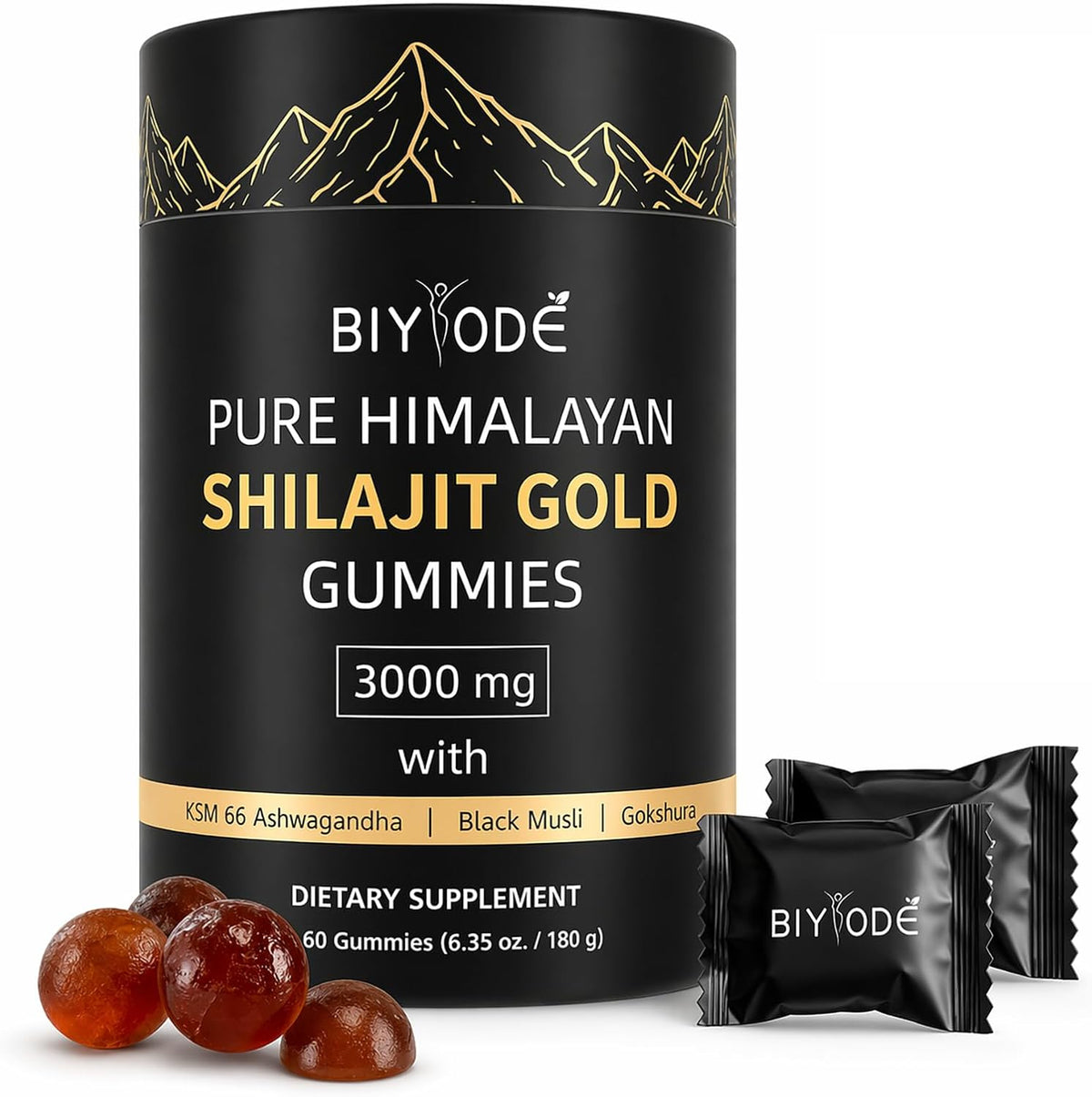
Gummies appeal to people who dislike swallowing tablets. They are pre-portioned, require no water or mixing and can make a routine easier to remember.
Their format also creates limits. A gummy has to provide structure, flavor and stability as well as carry the dietary ingredients. The serving may require two or more pieces. It can contain sugars, sugar alcohols, acids, flavors, oils or glazing agents, depending on the product.
Check the amount per full serving rather than assuming one gummy equals one serving. Read the added-sugars line where applicable and review the complete ingredient list if you avoid particular sweeteners or animal-derived gelatin.
Storage deserves attention. Heat and humidity can soften gummies or make them stick together. Keep the container closed and follow the label instructions. Do not leave it in a hot vehicle or treat gummies like ordinary sweets. Keep them away from children, who may not recognize the difference.
Gummies are a strong practical choice when the listed formula fits your needs and chewable convenience improves consistency. They are less attractive if the serving size, sweetener system or storage conditions do not suit you.

Capsules: compact and often straightforward
Capsules can carry powders or oils in a relatively compact unit. They often use fewer flavoring ingredients because the contents are swallowed rather than tasted. For people comfortable swallowing them, capsules are easy to carry and quick to take.
Size matters. A large capsule may be difficult for some users, and a high-volume formula may require several capsules per serving. Look at the serving size before assuming that the bottle count equals the number of days.
Capsule shell materials vary. Gelatin, fish gelatin and plant-based materials may be used, so check the ingredient list if dietary preferences or allergens are relevant. Softgels are usually designed for oils or oil-based contents and should not be assumed equivalent to a powder-filled capsule.
Do not open capsules unless the label or a qualified professional says that doing so is appropriate. The taste may be unpleasant, and some products are designed to release in a particular way.
Tablets: efficient but not always easy to take
Tablets compress ingredients into a solid piece. They can be economical and stable, and scored tablets may be designed for splitting. However, a score line does not always mean a tablet should be divided. Follow the product instructions.
Some tablets are large or have a noticeable taste. Coatings can change how they feel when swallowed. Chewable tablets are a separate format and should be taken as directed rather than swallowed like standard tablets.
Review binders, coatings and other inactive ingredients if those details matter to you. A long ingredient list is not automatically a problem; these components can help a tablet hold together and perform consistently. The question is whether the information is clear and compatible with your preferences.
Powders: flexible, but preparation matters
Powders are useful when a serving would be bulky in capsules or when you prefer mixing a product into water or food. Some allow serving flexibility, but you should not change the labeled amount casually.
The preparation step is the key trade-off. You need a suitable liquid, a clean container and a reliable way to measure the serving. Scoop capacities differ, and a loosely filled scoop may not match a packed one. Use the scoop supplied with the product and follow the directions.
Taste and mixability can affect whether you continue using a powder. Read the instructions for liquid volume and mixing method. Some products dissolve; others form suspensions and may settle if left standing.
Keep the container dry. Introducing a wet scoop can cause clumping or affect quality. Close the lid promptly and do not discard the desiccant if the package instructs you to leave it in place.
Liquid drops: adjustable-looking, but labels still control the serving
Liquids can be useful for people who prefer not to swallow solid forms. A dropper or measured cup can also make the format feel flexible.
That flexibility should not become guesswork. Find the labeled serving in millilitres or drops and use the provided measuring device. “One dropper” is only meaningful if the fill level is defined.
Check whether the product needs shaking and whether it requires refrigeration after opening. Note the use-by period once opened if one is given. Avoid touching the dropper to the mouth or other surfaces when the instructions call for hygienic handling.
Liquid formulas can contain flavors, sweeteners, oils, glycerin or preservatives. Again, the complete ingredient list tells you more than the format name.
Teas and infusions: a ritual with more preparation variables
Tea bags and loose herbal products can fit naturally into an evening or morning routine. The preparation itself may be part of their appeal.
They also introduce variables such as water temperature, steeping time and the amount of plant material. Follow the package directions rather than assuming that stronger color always means a more appropriate serving. Do not identify or prepare wild plants based only on a social-media image.
Herbal tea is not automatically interchangeable with a standardized botanical extract. The composition and labeled amount can be very different. If you are trying to compare them, use the exact product descriptions rather than treating the plant name as the entire formula.

Your routine is part of product selection
A format that works on holiday may not work at the office. Ask yourself where and when you will actually use it.
- Morning rush: A pre-portioned format may be easier than measuring powder.
- Home breakfast: A powder might fit naturally into a prepared drink.
- Frequent travel: Consider heat, leakage, security rules and original packaging.
- Limited storage: Large tubs can be inconvenient even if their cost per serving is lower.
- Difficulty swallowing: A gummy, liquid or suitable powder may be easier, depending on the formula.
- Sensitivity to taste: A swallowed format may be preferable to a flavored one.
Avoid building a routine that depends on several complicated preparation steps unless you genuinely enjoy them. Consistency is easier when the format matches an existing habit.
Safety checks apply to every format
No delivery format makes a supplement automatically appropriate. “Natural,” “gummy,” “tea” and “plant-based” are not safety guarantees.
Supplements can interact with medicines, and combining products can create ingredient overlap. The NIH Office of Dietary Supplements encourages consumers to keep a complete record of supplements and medicines and share it with healthcare providers.
Speak with a qualified healthcare professional before changing your routine if you are pregnant, nursing, preparing for surgery, taking medicines or managing a health condition. Follow age guidance and keep every format away from children.
Use products only as directed. Do not double a serving because you missed one, and do not convert an adult product into a child’s product by guessing a smaller portion.
A practical decision checklist
Before buying, ask:
- Does the facts panel provide the ingredient and amount I intend to use?
- How many pieces, scoops, drops or cups make one serving?
- Can I take that serving comfortably and consistently?
- Do the other ingredients fit my dietary preferences?
- Can I store the product according to its instructions?
- Is the cost reasonable when calculated per serving?
- Does it duplicate anything already in my routine?
- Do I need professional advice because of medicines or health circumstances?
If two formats still look equally suitable, choose the one that creates less friction in your day. There is little value in buying an impressive product that remains unopened because it is inconvenient to prepare or unpleasant to take.
The format is not the benefit and it is not the promise. It is the delivery method. By separating formula facts from packaging appeal, you can choose gummies, capsules, powders, tea or drops for clear, personal reasons—and build a routine you can actually understand and maintain.