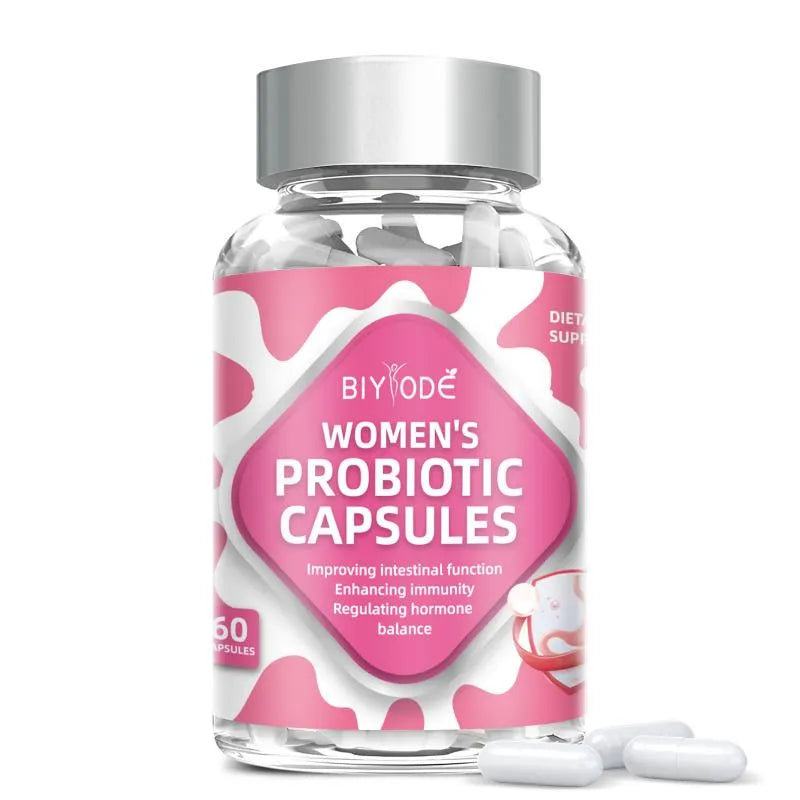

collagen peptide drink powder are easy to recognize on a shelf. Red packaging, apples, a bottle or jar illustration, and a short list of upbeat phrases tend to appear again and again. What is harder to see is whether two products that look almost identical are actually comparable.
The answer is on the back and side panels. Serving size, ingredient order, sugar content, added vitamins and directions tell you far more than the biggest words on the front. Reading those details takes only a few minutes once you know where to look.
This guide is not about deciding whether everyone needs an apple cider vinegar supplement. It is about evaluating the product in your hand without treating marketing language as medical advice.

Begin with the serving, not the bottle count
A package containing 60 powder servings does not always provide 60 servings. If the directions call for two powder servings, the container provides 30 servings. Another product may use one powder per serving, but that piece could contain different amounts of each ingredient.
Look for three lines together:
- serving size;
- servings per container;
- amount of each listed component per serving.
Then work out how long the package lasts when used as directed. This gives you a better basis for comparing price than the total number of powder servings on the front.
Do not silently convert a per-serving amount into a per-powder amount unless the math is clear. If two powder servings provide the stated quantity, one powder provides only part of that serving. Conversely, taking extra powder servings to reach a number seen on another brand can also increase sugars, acids, vitamins and other ingredients. Follow the directions rather than building your own serving from front-label numbers.
Check what the apple cider vinegar number describes
Some labels state an amount of apple cider vinegar powder; others may describe an equivalent amount or refer to a particular standardized ingredient. Those descriptions are not automatically interchangeable. The ingredient list can help identify the material used, while the nutrition or supplement panel shows what the manufacturer declares per serving.
If the front uses a large number, find the same information in the formal panel. Check whether the number applies to one powder, one serving or the entire container. Also notice whether the claim describes the input ingredient or a specific component. A large quantity is not, by itself, evidence that a product is the right choice for you.
Phrases such as “with the mother,” “raw,” “organic” or “fermented” may have specific meanings in a liquid-vinegar context, but a powder is a formulated product made with processed ingredients. Look for clear, supportable information rather than assuming that every phrase used for bottled vinegar transfers directly to a powder.
Read the complete ingredient list
The ingredient list is normally presented in descending order by weight, subject to the applicable labeling rules. It shows the powder base, sweeteners, acids, flavors, colors and glazing ingredients as well as the headline component.
collagen peptide drink powder often include pectin or gelatin, sugars or syrups, acids and flavors. Pectin may suit a vegetarian or vegan formula, but only the complete ingredient list can support that conclusion. Gelatin is animal-derived. Other minor components and processing aids can also affect dietary positioning.
If you avoid a particular allergen or ingredient, do not rely on the look of the package. Read the ingredient and allergen statements each time you purchase because formulas can change. When information is unclear, ask the seller or manufacturer before use.

Look at sugars in context
powder servings have to maintain a stable, chewable structure. Many use sugar or syrup for sweetness and texture. Others use alternative sweeteners, fibers or sugar alcohols. “powder” does not automatically mean high sugar, and “sugar-free” does not automatically mean the product will suit everyone.
Check the nutrition panel for total and added sugars where these are declared. Multiply the amount by the number of servings you realistically expect to use. This is more informative than comparing a sweetened powder with a spoonful of liquid vinegar without accounting for the rest of your diet.
Sugar alcohols and some fibers can cause digestive discomfort for some people, particularly when consumed in larger amounts. The label may carry a required statement depending on the sweetener and market. More is not better, and powder servings should not be eaten like ordinary sweets.
Taste matters because an unpleasant product is unlikely to become part of a routine. At the same time, a candy-like taste is a reason to store the container carefully, especially around children.
Notice added vitamins and botanicals
Many collagen peptide drink powder include vitamin B12, folate, beetroot, pomegranate or other ingredients. These additions create a different formula, not necessarily a better one.
Check the actual amount of each added nutrient per serving and compare it with your other supplements. A multivitamin, fortified drink and ACV powder can overlap. If you are unsure whether the combination suits your needs, take the labels to a pharmacist, doctor or qualified nutrition professional.
Added ingredients can also affect warnings. Botanicals may not be appropriate for everyone, and vitamins still have upper-intake considerations. A colorful ingredient illustration on the front does not tell you the dose, source or relevance to your routine.
This is a useful place to be skeptical of vague phrases. Words such as “detox,” “cleanse,” “fat burner” or “immune regulator” can make a product sound like a treatment without telling you what it contains. Prefer a label that gives verifiable amounts and restrained directions.

Separate format convenience from health promises
The clearest advantage of a powder is format. It is portable, pre-portioned and does not have the strong acidity of drinking liquid vinegar. Individual packets can add convenience for travel and can protect pieces from handling, although the package still needs suitable storage.
Those practical differences do not prove that the powder will cause weight loss, control blood sugar, correct digestion or produce another medical outcome. Dietary supplements should not be used as substitutes for prescribed care, balanced meals or advice from a qualified professional.
If an advertisement promises dramatic or rapid results, pause. Check whether the product page provides a complete label and responsible warnings. A brand that explains serving and ingredients clearly is giving you more useful information than one that relies on before-and-after language.
Read directions and warnings before the first serving
Use the product only as directed. Do not double the serving because you missed a day. Keep powder servings away from children and store them in the conditions printed on the package, usually a cool, dry place away from direct heat and moisture.
Speak with a qualified healthcare professional before using a supplement if you are pregnant or breastfeeding, have a medical condition, take medicines, are preparing for a procedure or plan to give the product to a child. Apple cider vinegar products may not be suitable in every situation, and added ingredients can change the considerations.
Stop using a product and seek advice if you experience an unwanted reaction. Keep the container so that the full ingredient list, lot number and seller information are available.
Check the seal when the package arrives. Do not use a product if the safety seal is missing or damaged. Also check the expiry date and inspect the powder servings for unusual moisture, odor or appearance.
Compare products with a simple five-line note
When several labels are open on your phone, write down just five things for each one:
- powder servings per serving and servings per pack;
- declared apple cider vinegar ingredient and amount;
- sugars or sweetener system;
- added vitamins, minerals or botanicals;
- warnings, storage and dietary attributes.
That small comparison quickly reveals meaningful differences. It also helps you avoid paying more only for a larger bottle or a more dramatic front panel.
Biyode’s apple cider vinegar powder packaging is designed around a convenient powder format, but the same label-first approach still applies. Read the current product panel before purchase, follow its directions and judge the product as part of your full routine—not as a shortcut or a promise.