
Gummy supplements are easy to browse because the front of the package is colorful, familiar and quick to read. The difficult part is that two products in the same category can use different serving sizes, ingredient forms, sweeteners and directions. A fair comparison therefore starts on the back or side panel, not with the largest number on the front.
This guide uses melatonin gummies as an example of a label-first shopping method. It does not decide whether a supplement is right for you. Instead, it shows how to slow the comparison down, use the same units and notice information that a product photograph may not emphasize.

1. Read the complete product name
A category name tells you what shelf the product belongs on, but not the whole formula. Look for the statement of identity, the number of gummies in the package and any words that describe a specific ingredient form. Then check whether the front and back use the same language.
Check the amount of melatonin in one gummy and in the full serving, then read the timing directions and warnings. Do not assume that a higher number is a better product. Melatonin can cause drowsiness and deserves the same care as any other supplement.
Do not assume that every icon is a certification or that every botanical picture represents a meaningful amount in the formula. Words such as “premium,” “clean,” “advanced” and “high strength” do not replace quantities. Treat them as marketing descriptions until the facts panel and ingredient list explain what they mean.
2. Convert everything to one full serving
The number of gummies in a bottle is not the number of servings. Find “Serving Size,” then multiply carefully if the front gives an amount per gummy while the facts panel gives amounts per two- or three-gummy serving. Count the servings per container to understand how long the bottle lasts when used as directed.
When comparing two products, put them on one line in a notebook: gummies per serving, amount per serving, servings per container and relevant sugars or sweeteners. Use the same units. Milligrams and micrograms are different, and a comparison can look dramatic simply because the units or serving sizes are different.
This method also prevents accidental under-reading. A front label may show “60 gummies,” while the directions call for two gummies. That package represents thirty complete servings, not sixty. Price comparisons make more sense when based on a complete serving rather than one piece.

3. Separate active ingredients from other ingredients
The facts panel lists declared dietary ingredients, while the “other ingredients” list explains the gummy base, flavors, colors, acids, oils and processing aids. Both matter. The active section answers “what and how much”; the other-ingredients section helps answer questions about sweeteners, allergens, dietary preferences and texture.
If the package says sugar-free, look for sugar alcohols, high-intensity sweeteners or other carbohydrate sources rather than assuming the gummy is unsweetened. Some people are sensitive to larger amounts of certain sugar alcohols. Natural flavor is still a flavor system, and a fruit picture does not necessarily mean the gummy contains a large quantity of that fruit.
For multi-ingredient products, list everything you already take and highlight repeats. A multivitamin, beauty gummy, drink powder and single-mineral product may all contain the same vitamin or mineral. The overlap is easy to miss when each product is considered alone.
4. Let directions and warnings change the decision
Directions are not filler text. They tell you how the manufacturer intends the serving to be used and may include timing, food, age or storage instructions. Warnings can identify groups who should seek advice or avoid the product. Read them before purchase, not after opening the seal.
People who are pregnant or nursing, younger users, anyone with a medical condition, and people taking medicines should seek professional advice before using melatonin. Do not drive or operate machinery after taking a product that causes drowsiness.
If you are unsure about an ingredient, take a clear photograph of the full label to a pharmacist, doctor, dietitian or other qualified professional. Bring the list of medicines and supplements you actually use. A product name alone is rarely enough for an informed answer.
5. Judge the gummy as a food-like format
Flavor and chew are legitimate product features because a supplement that is unpleasant may not fit a routine. Yet good taste can also make a gummy feel more casual than it is. Follow the labeled serving, keep the container closed and never leave supplement gummies where children may mistake them for sweets.
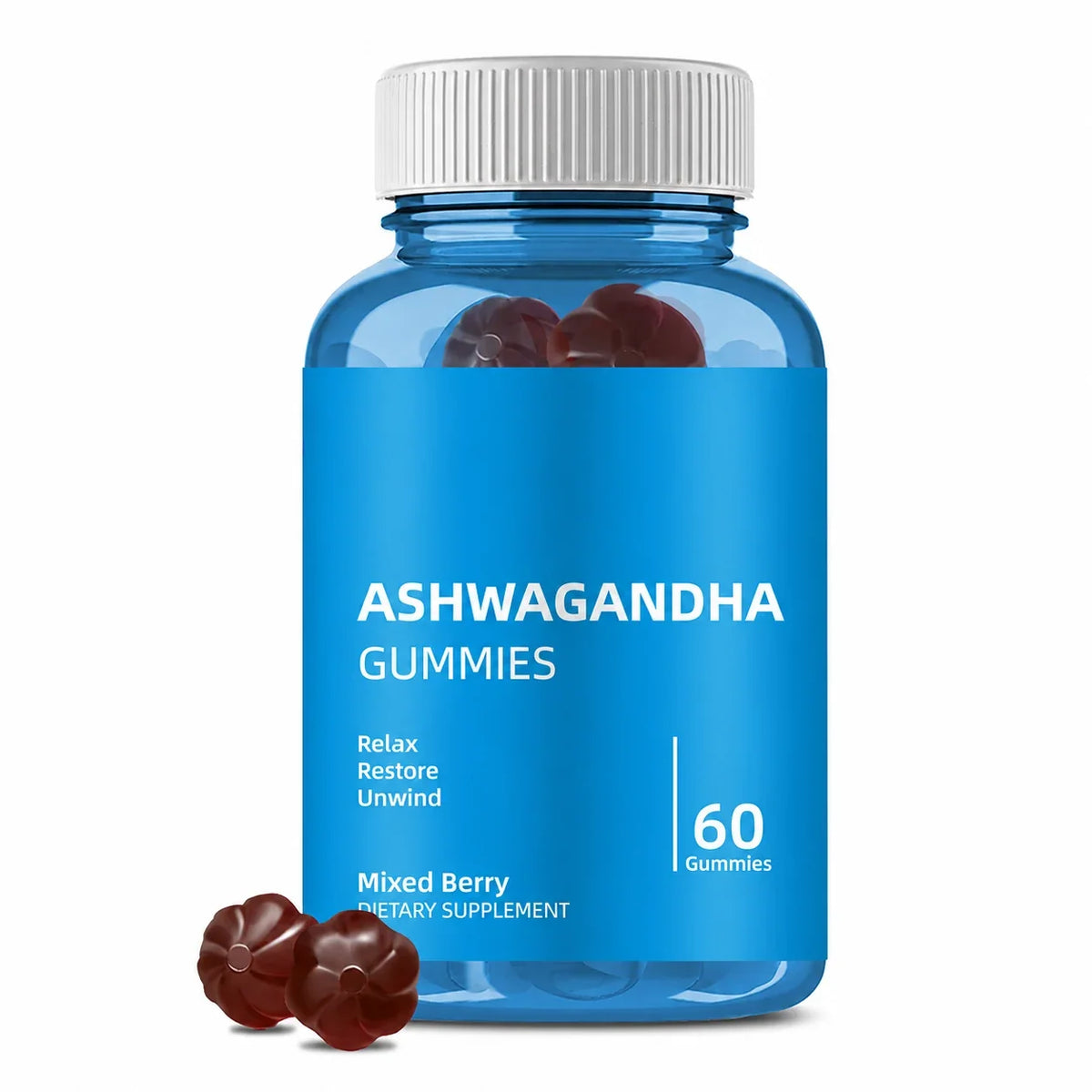
The berry presentation shown in product photography is a flavor direction, not proof of a nutritional property. Color may come from fruit or vegetable concentrates, approved colors or other sources depending on the formula. Check the ingredient list if that distinction matters to you.
Look at piece size and serving count together. Three large gummies may be difficult for some people even if the flavor is pleasant. Individual packets can be convenient for travel, while bottles may be easier to count and store. The better format is the one whose directions you can follow consistently and safely.

6. Check the package before the first serving
Inspect the safety seal, lot code and expiry or best-before information. Do not use a product if the seal is damaged, the label is unreadable, or the gummies have an unexpected odor, appearance or texture. Contact the seller or manufacturer using verified contact details rather than guessing whether a change is normal.
Store the product according to its label. Bathrooms, cars and sunny windows can be warmer or more humid than people expect. Close the cap promptly, keep wet hands out of the bottle and keep the original package so that the directions, lot information and warnings stay with the product.
If gummies arrive melted or stuck together, do not assume that separating them restores the original quality. Photograph the package and lot information and ask the seller for guidance.
7. Be cautious with dramatic outcomes
Supplement marketing can use striking before-and-after language, but a responsible product description should not present a supplement as medicine or promise a certain personal outcome. Testimonials describe individual experiences and do not replace a clear label or evidence relevant to the exact product.
Ask a simple question: what objective fact supports this sentence? Ingredient identity, amount per serving, count and documented test information can be checked. Universal promises, instant-outcome language and vague claims of complete safety should make you pause.
Testing language also deserves context. “Tested” may refer to a raw material, a finished batch or only one characteristic. Look for an explanation of what was examined, which specification was used and whether the information can be connected to the lot in your hand. A quality statement is more useful when it is specific enough to verify.
A seven-line comparison note
Before buying, write down: product name; full serving; active ingredients and amounts; other ingredients and sweeteners; directions; warnings; and servings per package. Add the lot and expiry information after purchase. This small note is often more useful than saving a front-label photograph.
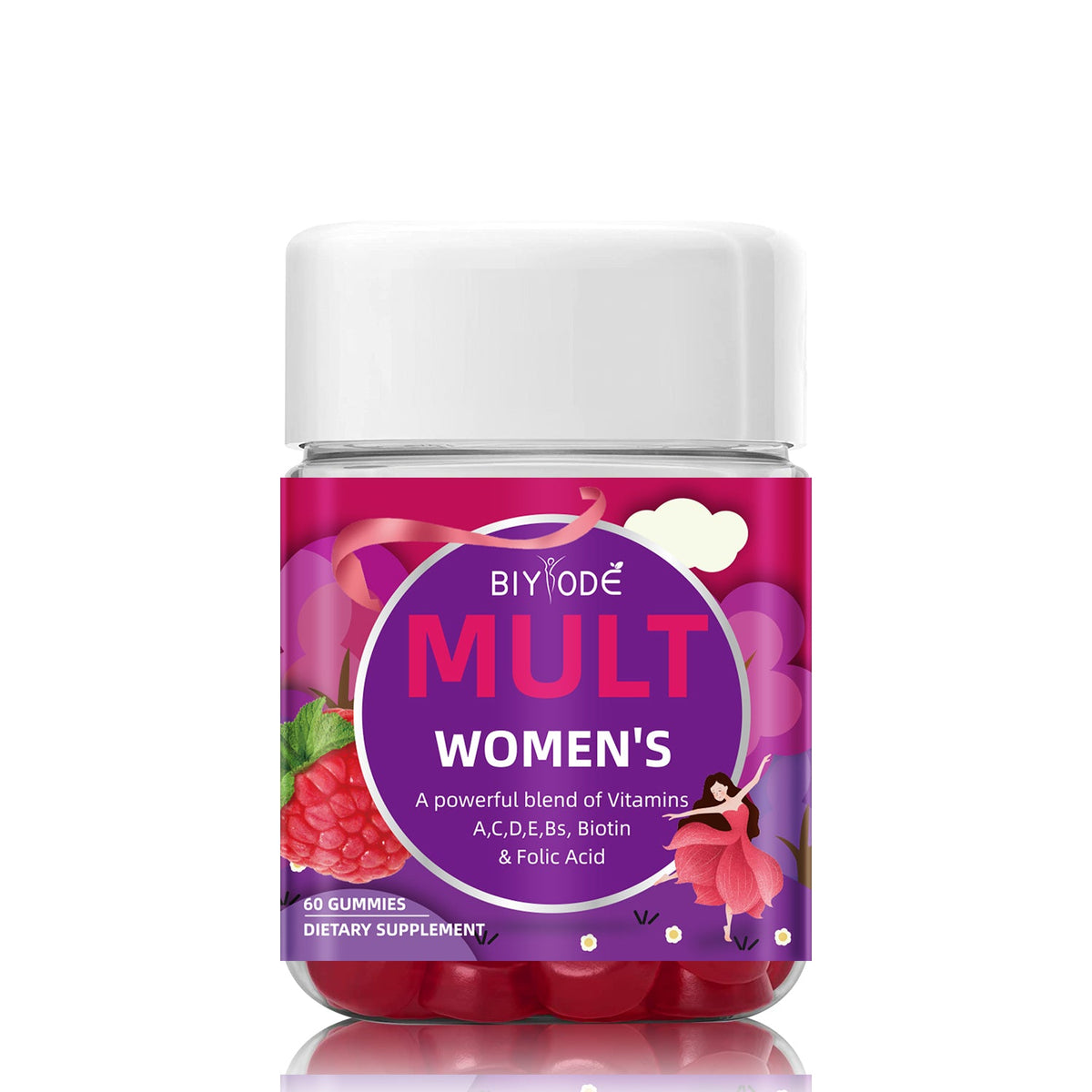
Biyode’s product pages are most useful when read in the same way: enjoy the design, then verify the serving and ingredient details. A gummy can be a convenient format, but convenience works best when the label remains the center of the decision.