
Main content:
More and more people are turning to dietary supplements to treat illnesses and improve their health. Today, nearly three-fifths of adults and more than a third of children and adolescents take at least one supplement, creating a $60 billion market that is not regulated as strictly as pharmaceuticals.
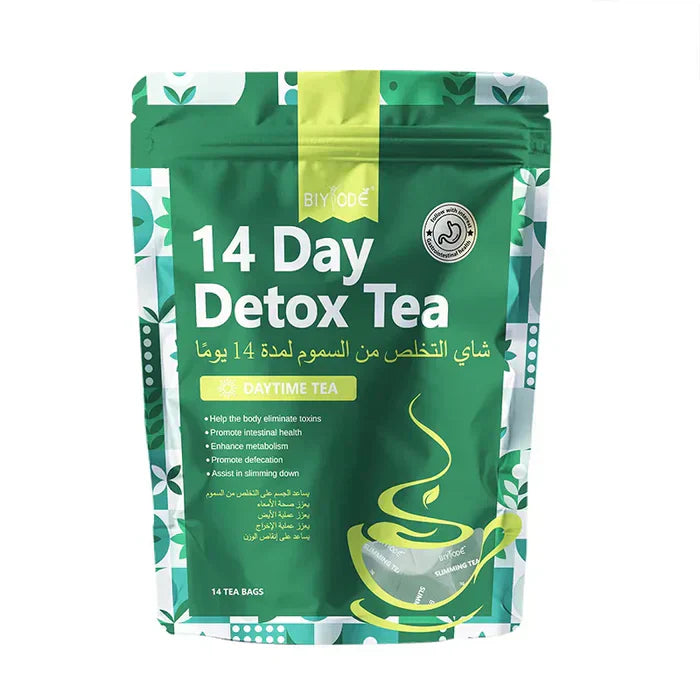
Some supplements (including vitamins, minerals, herbs, probiotics, etc.) can help fill nutritional gaps. However, most supplements have no scientifically proven benefits, and some may even be harmful. With social media influencers promoting unproven cure-all "miracle drugs" and AI chatbots offering questionable medical advice, distinguishing fact from exaggerated claims is becoming increasingly difficult.
Dr. Marilyn Oppezzo, a medical lecturer at the Stanford Prevention Research Center and director of lifestyle medicine nutrition at Stanford, and Catherine Hu, a clinical nutritionist specializing in endocrinology, both experts at Stanford Medical School, remind people not to fall into five common misconceptions about supplements.

Myth 1: Everyone should take supplements
Experts say that supplements are generally only meaningful for people who have a confirmed deficiency of a nutrient, dietary restrictions, or specific diseases from which they are known to benefit.
A blood test conducted by a healthcare provider can determine if someone is clinically deficient in certain vitamins or minerals. Symptoms such as fatigue, skin changes, and brittle nails may indicate the need for further testing. However, blood tests do not provide a complete picture of nutritional status, as most nutrients are not stored in the blood serum. Meeting with a nutritionist can help obtain personalized advice. Catherine Hu suggests that people with extremely restricted diets may also benefit from supplements. For example, she recommends that vegans supplement with vitamin B12 (usually found in animal products) and consider supplementing with calcium, zinc, iron, and vitamin D. Opezzo states that people who have undergone weight-loss surgery or are taking GLP-1 receptor agonists (such as smegglutinin) are likely to need additional nutrient supplements due to reduced food intake.
Catherine Hu stated that pregnant women should take prenatal vitamins containing folic acid and omega-3 fatty acids, while people over 50 may need additional calcium, vitamin D, and vitamin B12 supplements to promote bone and nerve health. She added that there is evidence that supplements can help improve health problems such as osteoporosis, high triglycerides, and age-related macular degeneration. Opezzo added that athletes and perimenopausal women may also need additional iron supplementation.
For others, taking a good multivitamin is generally harmless, but may not be necessary. Catherine Hu states, "Many people take multivitamins to supplement their overall nutrition, which is not inherently wrong. But if a person's diet is already diverse enough, they should already be getting all the nutrients they need from food."
Myth 2: Because it's natural, supplements are very safe
The U.S. Food and Drug Administration (FDA) regulates supplements as food, not drugs, and therefore does not verify their safety, efficacy, or ingredients before they are marketed. Consequently, the purity and dosage of different products can vary significantly. For example, some curcumin tablets have been found to contain high levels of heavy metals, while spirulina and chlorella tablets may contain mycotoxins. Experts recommend choosing supplements whose quality has been certified by independent organizations such as the United States Pharmacopeia, NSF, or Consumer Labs.
Supplements can also interact with medications. For example, vitamin K can reduce the effectiveness of blood thinners, and combining St. John's wort with antidepressants can be dangerous. Catherine Hu states, "I always advise people to talk to their healthcare provider and tell them about any supplements they are taking. Their healthcare provider can determine whether it's safe to take supplements based on the medications you're taking and any medical conditions or chronic illnesses you may have."
Myth 3: Not paying attention to diet after taking supplements
Evidence suggests that many nutrients are absorbed more effectively from food than from supplements, and that heat treatment for preservation can reduce the potency of supplements. "If you extract a specific compound from broccoli and make it into powder, it won't be the same as if you took the whole broccoli," says Opezzo. She points out that there is stronger evidence than probiotics that fermented foods like yogurt, kefir, and pickles improve gut health.
Catherine Hu stated that even when taking supplements, people should maintain a balanced diet. She said, "It's important to focus on eating whole foods and a variety of foods."
Opezzo stated that supplements cannot replace exercise and other elements of a healthy lifestyle. She said, "People think taking pills is easier than exercising. That's true, but that doesn't mean taking pills is better."
Myth 4: The more you supplement, the better
Experts warn that consuming higher doses of nutrients doesn't necessarily lead to better results and can sometimes even be counterproductive. "Many times, companies add large amounts of ingredients to supplements, potentially far exceeding what most people need," says Catherine Hu. This isn't a problem when the body eliminates the unabsorbed portions (such as B-complex vitamins).
However, other compounds may accumulate in the body and pose health risks. For example, excessive intake of vitamin B6 can damage nerves; high doses of omega-3 fatty acids may trigger arrhythmia in some individuals; excessive vitamin A in the form of retinol can damage the liver; and excessive intake of vitamin D may increase the risk of fractures.
To avoid excessive intake, Catherine Hu recommends following the recommended dietary intakes set by the National Academies of Sciences, Engineering, and Medicine, which vary depending on age, gender, and other factors.
Supplements containing multiple minerals or high doses of minerals may not be fully absorbed. "Multivitamins contain all those minerals like iron and calcium, and they compete for absorption," says Opezzo. "Besides, you can't absorb 1000 mg of calcium at once—I think only about 500 mg actually gets into your body." She recommends choosing a mineral-free multivitamin if you do choose one; dividing high-dose mineral supplements into multiple smaller doses throughout the day; and taking multivitamins at doses far exceeding the recommended amount every other day.
Myth 5: Supplements can cure all diseases
In some cases, claims about the efficacy of supplements are indeed supported by solid research. For example, Opizeau states that magnesium is a well-known laxative, and creatine has been shown to help provide energy to muscles. Opizeau says she herself takes omega-3 capsules, a supplement that, among other benefits, promotes heart health to complement the types of nutrients she gets from food.
However, many popular supplements lack supporting evidence for their effectiveness. Opezzo points out that studies have found melatonin only reduces sleep on average by four minutes. "With such a weak effect, why don't you spend your time and money on other things?" she asks.
Even if taking unnecessary supplements is harmless, it can still create a financial burden. "Some people jokingly call it 'excreting expensive urine,'" says Catherine Hu.
Opezzo cautioned against using supplements as a substitute for a proper diagnosis or evidence-based treatment. "Sometimes, this can lead to people not seeking regular medical care," she said. "The worst-case scenario is that people use supplements to manage perimenopause or cancer when we actually have very effective, FDA-approved methods for treating these conditions."
If you are healthy but feel tired or have other symptoms, Opezzo suggests examining the key pillars of health before turning to micronutrients. She says, "Are you getting enough calories, carbohydrates, fats, and protein? Are you getting enough sleep?" "These are the key factors. Unless your diet is severely restricted, most people get enough micronutrients from food."
Conclusion
Therefore, when taking nutritional supplements, you must choose according to your own situation. First, test your own physical condition and then choose the type of supplement that suits you.