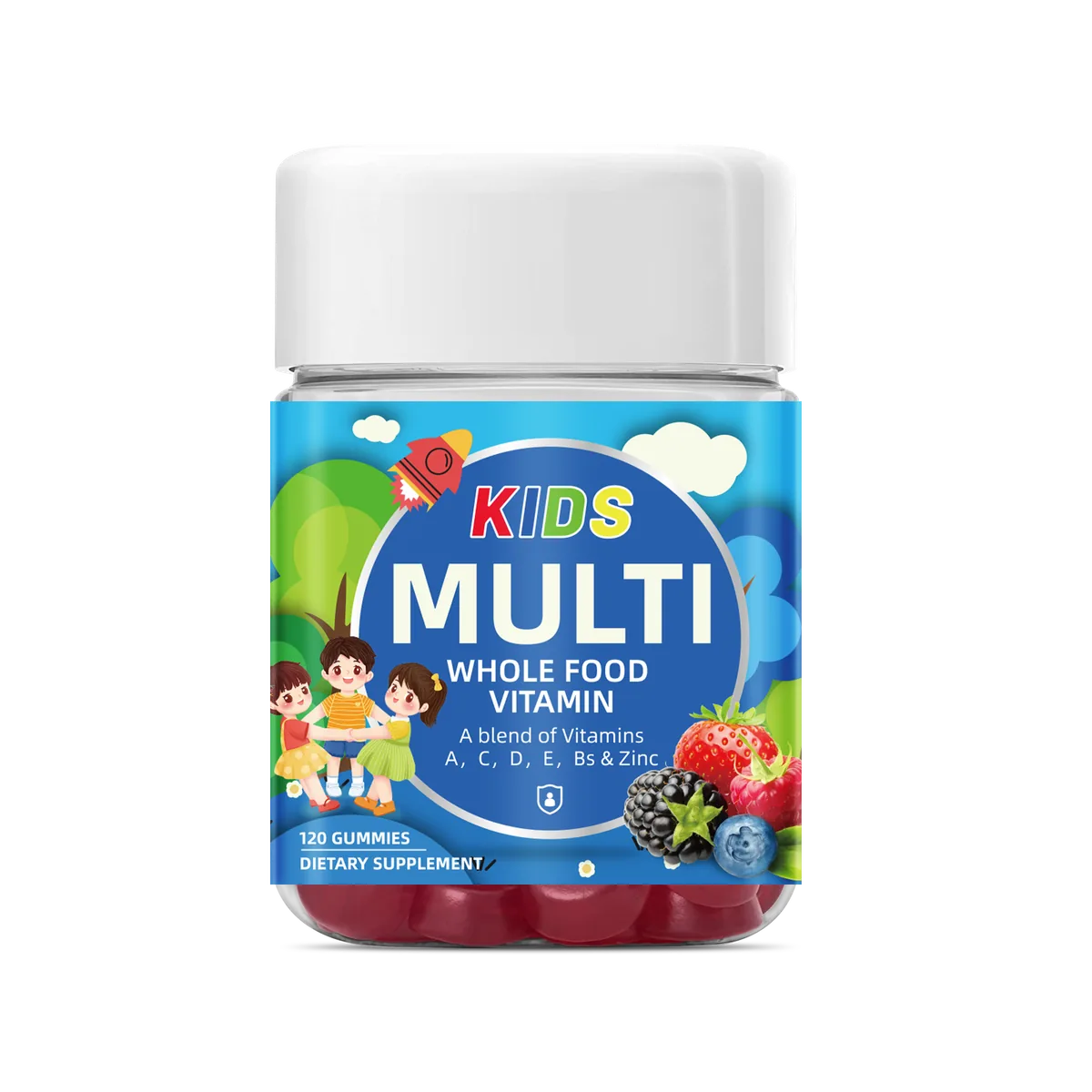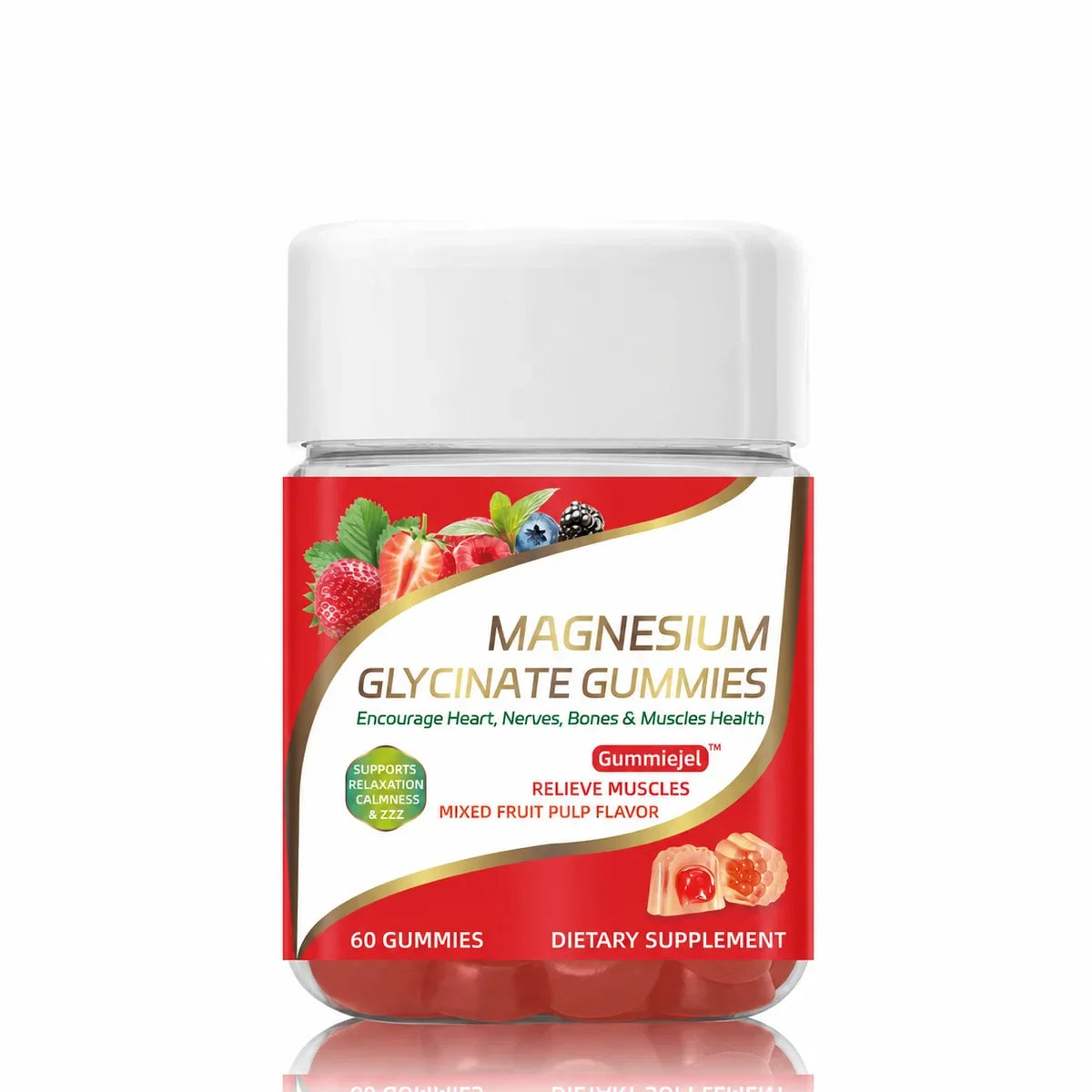

Omega-3 and Fish Oil Gummies can look simple on a product page, yet two packages may differ in ingredient form, full serving, sweeteners, directions and warnings. This label-first guide explains what to compare without promising a personal health outcome.
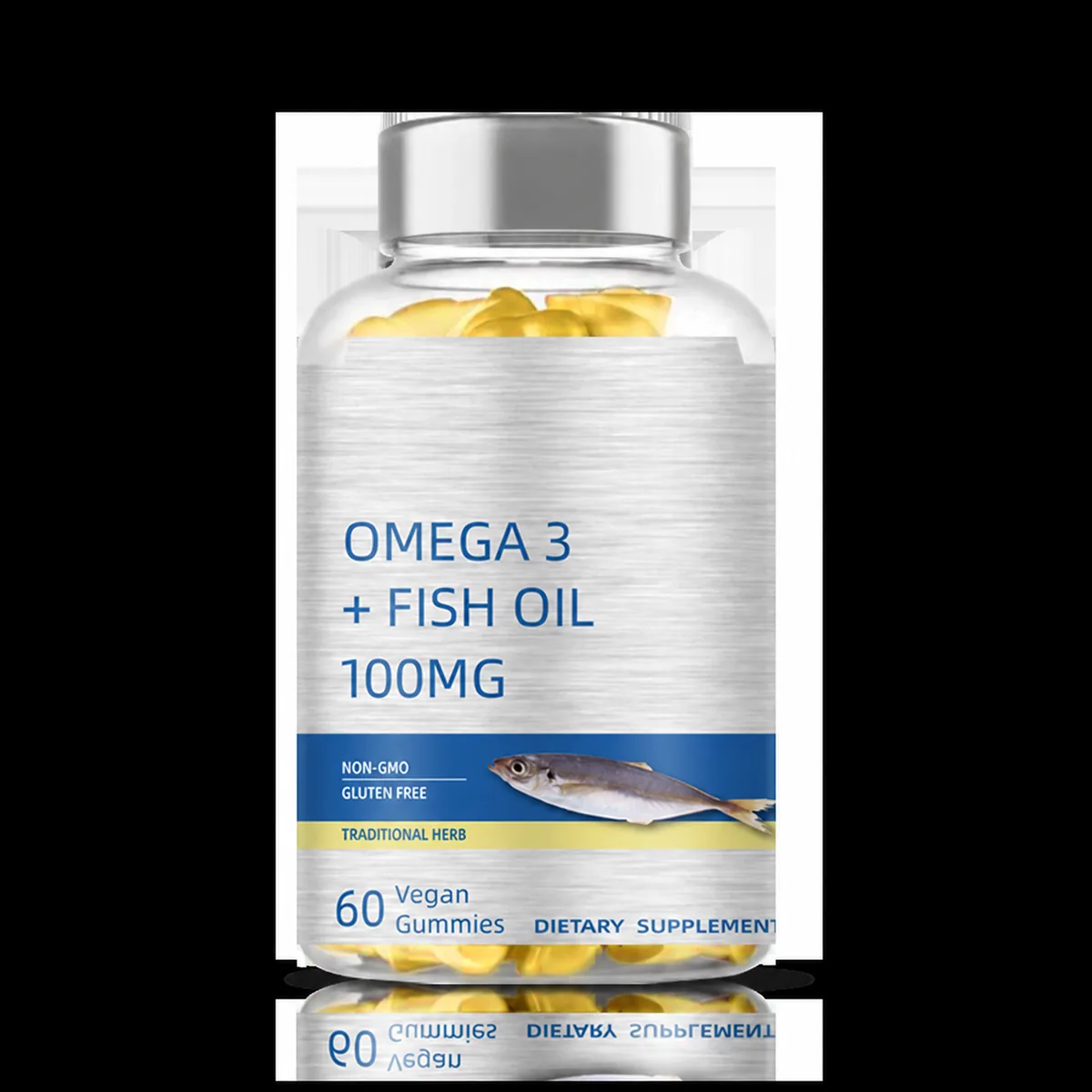
1. Read the complete product name
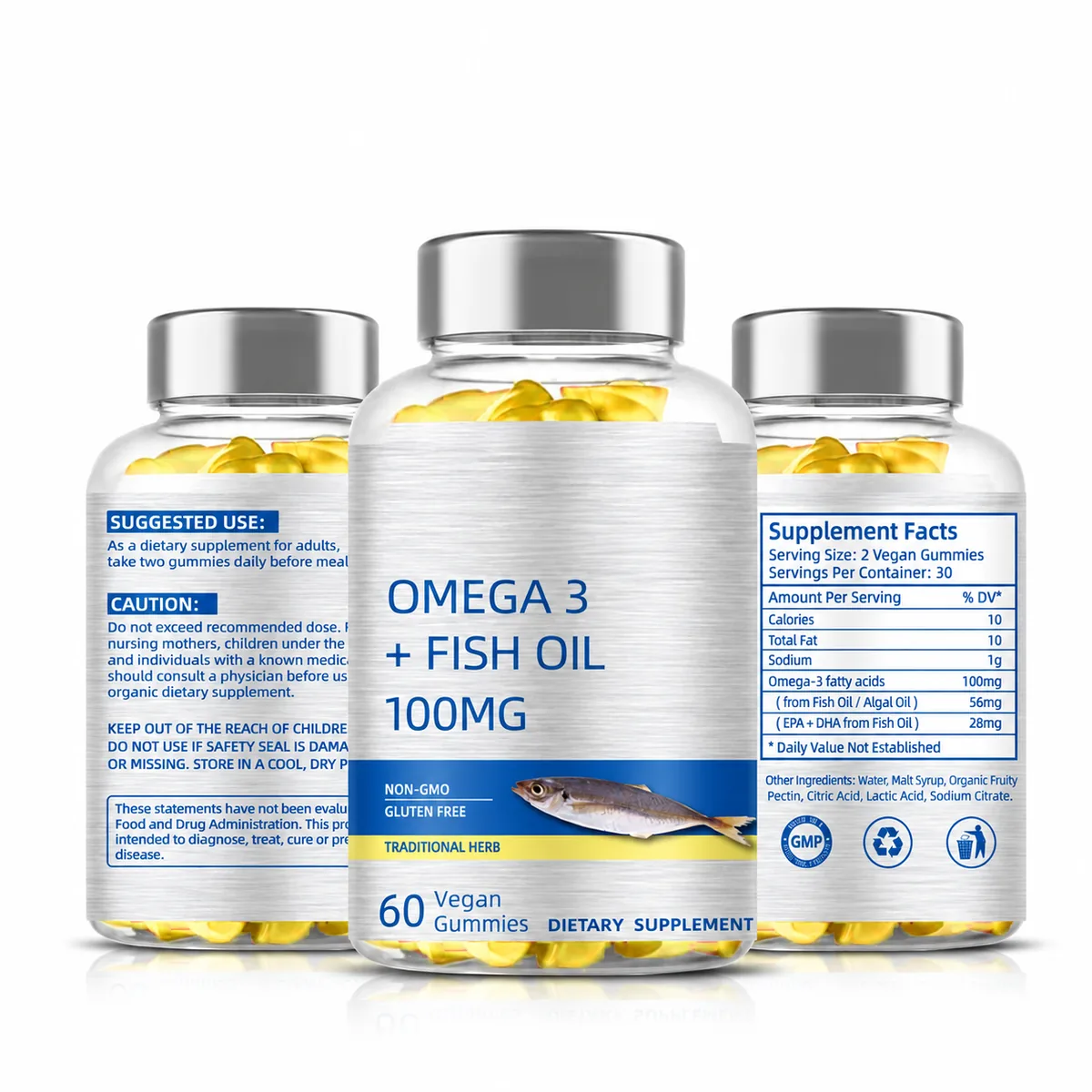
The front of a gummy package is designed to be quick and attractive, but products in the same category can use different ingredient forms, serving sizes and directions. Start with the statement of identity, package count and any wording about a specific form. Do not treat “premium,” “advanced,” “high strength” or fruit pictures as quantities. The useful comparison begins when the facts panel, ingredient list and directions explain what the front means. A large fish-oil number does not necessarily equal the amount of EPA and DHA. Read the oil source, fatty-acid quantities, serving size, allergen statement and storage directions before comparing two products.
2. Convert every number to a full serving
The number of gummies is not the number of servings. Find the serving size, note how many pieces it contains and compare products using amounts per complete serving. Keep units consistent; milligrams and micrograms are different. Then divide the container count by the daily serving to understand how long the package lasts. Comparing price per bottle or amount per single gummy can be misleading when serving sizes differ.
3. Separate active and other ingredients
The facts panel identifies declared dietary ingredients, while the other-ingredients list explains the gummy base, flavors, colors, acids, oils and sweeteners. Both matter. If a product is described as sugar-free, read which sweeteners or sugar alcohols are used rather than assuming it is unsweetened. A fruit image may describe flavor and does not necessarily mean the gummy contains a meaningful amount of that fruit.
4. Check overlap with the rest of your routine
Write down the vitamins, minerals and botanicals in every supplement, fortified drink and powder you use. Highlight repeats before adding another product. Overlap is easy to miss when a multivitamin, beauty gummy and single-ingredient product are considered one at a time. The right question is not only what this bottle contains, but what the complete routine provides.
5. Let directions and warnings affect the decision
Directions are not filler. They may specify timing, food, age, storage or other limits. Warnings identify situations that need more care. Read them before purchase and keep the package so this information stays with the gummies. If you need individual guidance, show a qualified professional a clear photograph of the complete label together with your medicine and supplement list. Anyone with a fish allergy, a medical condition or medicines that may interact with supplements should seek individual professional advice before use.
6. Judge the format realistically
Flavor and chew are legitimate features because an unpleasant product may not fit a routine. At the same time, a candy-like format deserves deliberate storage and portion control. Follow the labeled serving, close the package promptly and keep supplements away from children. Individual packets can be convenient for travel, while bottles are often easier to count; neither format is automatically better without considering directions and storage.
7. Inspect and store the package
Check the safety seal, lot code and expiry or best-before information. Do not use a package with a damaged seal or unexpected odor, appearance or texture. Bathrooms, cars and sunny windows can be warmer or more humid than expected. Follow the storage wording, keep wet hands out of the container and contact the seller using verified details if gummies arrive melted or severely stuck together.
8. Pause at dramatic promises
A supplement description should not present the product as medicine or guarantee the same outcome for every person. Testimonials are individual experiences, not a substitute for ingredient amounts, warnings or evidence relevant to the exact formula. When a page says “tested,” look for context: was a raw material or finished batch examined, which characteristics were checked, and can the statement be connected to the product in hand? Specific information is more useful than a broad quality slogan.
Before comparing details, place the two packages side by side under ordinary light and photograph every panel. Note the package size, net count, seal, lot area and any directions that continue onto another panel. This short record makes later discussion more accurate and prevents a front image from being mistaken for the complete label.
Working example: compare the whole product
Imagine that two omega-3 and fish oil gummies packages use the same flavor but different serving counts. One asks for two gummies and the other asks for three. One lists an ingredient form clearly, while the other relies on a large front-panel number. The fair review puts both products into a small table and records the full serving, active amount, package duration, sweeteners, warnings and storage instructions. This does not declare a winner automatically. It reveals which questions still need an answer and prevents appearance from standing in for specification.
Next, look at the physical format. A citrus gummy should be evaluated for aroma, sweetness, texture and aftertaste as a complete piece, not judged from a flavor name. Check whether the pack stays closed, whether the label remains readable and whether the count matches the stated servings. For commercial teams, this same exercise improves the product brief. For shoppers, it makes comparison calmer and more consistent. In both cases, the habit is identical: use the full label and the real serving rather than one isolated claim.
Questions worth recording before approval
Write down the questions that cannot be answered from the current specification or label. Does the stated amount apply to one gummy or the complete serving? Is the ingredient description specific enough to identify the raw material? Does the package provide clear storage directions? Are the warnings visible and suitable for the intended audience? Is the flavor description consistent with the ingredient list? These are ordinary questions, but answering them early prevents a surprising number of revisions.
For a commercial team, assign each unanswered point to one owner and add a due date. Formulation should own ingredient and serving calculations; quality should own specifications and release criteria; design should own information hierarchy; and the market reviewer should confirm local label requirements. For an individual shopper, the process can be simpler: compare the full serving, read the complete ingredient list and pause when the package leaves an important fact unclear.
Finally, keep versions. A product photograph, sample note or artwork proof should carry a date or revision reference. Otherwise, teams may discuss different versions while believing they are looking at the same product. If an ingredient source, serving, flavor, color or package changes, revisit the parts of the review affected by that change. Good product communication begins with knowing exactly which version is being described.
Final checklist
A useful seven-line note includes the product name, full serving, active ingredients and amounts, other ingredients and sweeteners, directions, warnings and servings per package. Biyode product pages are best read the same way: enjoy the presentation, then verify the label details that affect your own choice. Convenience works best when the label remains at the center of the decision.